Exploring Eastern Europe on a Shoestring
Eastern Europe offers a remarkable blend of history, culture, and natural beauty, all at a fraction of the cost compared to Western European destinations. For independent travelers seeking to stretch their budget, countries like Poland, Hungary, and Romania present unique opportunities to explore without compromising on experience. This article outlines a practical, budget-conscious itinerary, focusing on economical transportation, affordable lodging, and strategies for managing daily expenses. The approach emphasizes informed decision-making and flexibility, as travel costs can vary based on season, booking timing, and personal preferences.
Before delving into the specifics, it is important to note that budgeting is not a one-size-fits-all endeavor. Prices fluctuate with the euro exchange rate, local economic conditions, and tourism demand. Travelers are encouraged to research current costs and adapt the following suggestions to their own circumstances. The information provided here serves as a foundational guide, highlighting areas where savings are commonly found, while acknowledging that individual choices will influence the final expenditure. The goal is to enable travelers to plan an Eastern European adventure that is both enriching and financially sustainable.
Planning the Route: Poland, Hungary, and Romania
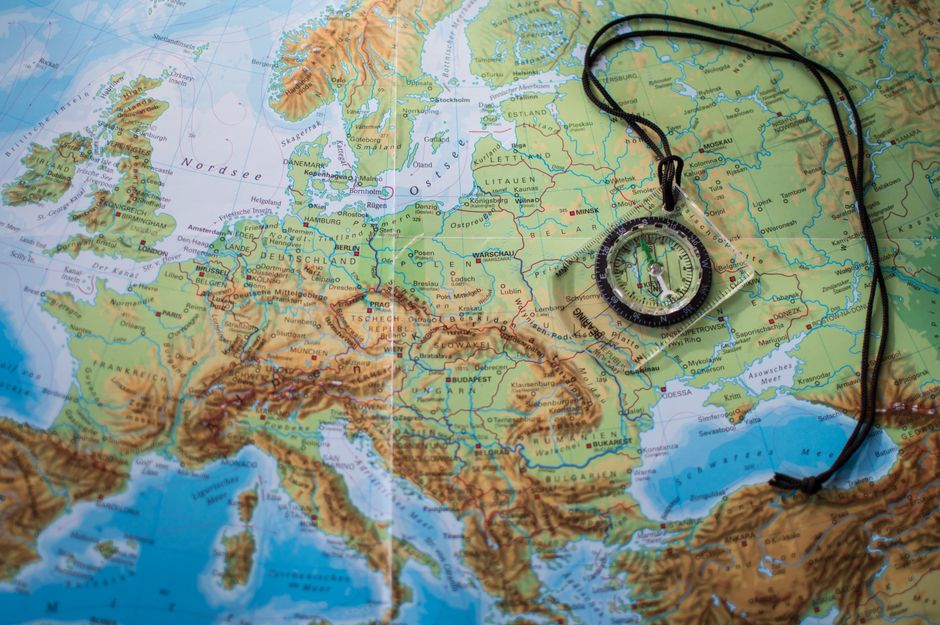
Crafting a logical route is essential for both time and budget efficiency. A common itinerary begins in Poland, often starting in Kraków, which serves as a cultural hub with accessible connections to other cities. From there, travelers can move south to Budapest, Hungary, and then continue east to Bucharest or Transylvania in Romania. This path minimizes backtracking and allows for the use of overland transportation, which is typically more economical than flying.
When planning, consider the duration of stay in each country. A balanced itinerary might allocate four to five days to each country, totaling around two weeks. This timeframe allows for a reasonable exploration of major sights while also leaving room for spontaneous detours or rest days. Travelers should also consider the climate and local festivals, as these can affect both availability and prices of accommodation and transportation.
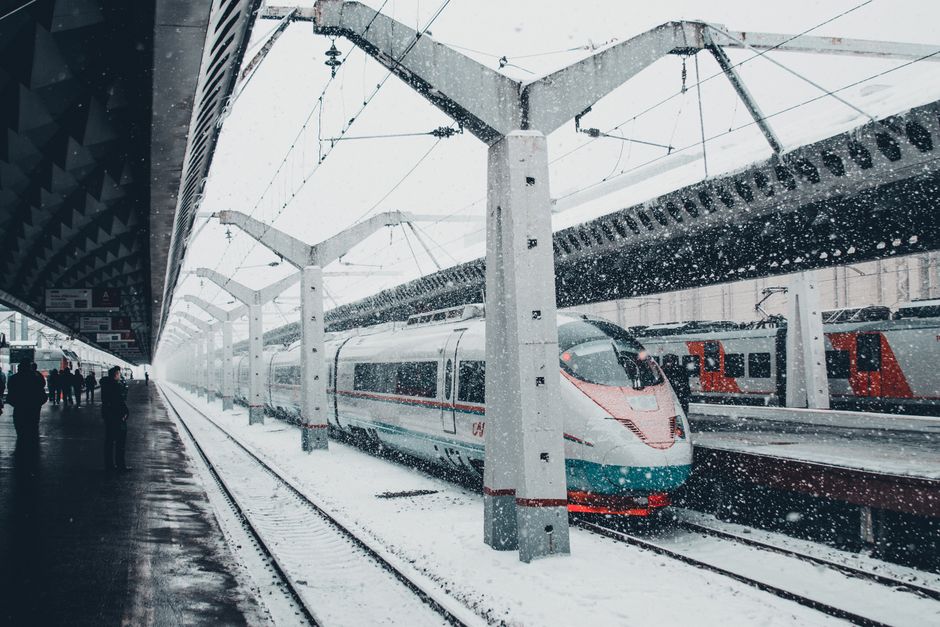
One of the primary advantages of this route is the availability of budget airlines and rail passes that connect these countries. For instance, low-cost carriers like Wizz Air and Ryanair operate between many Eastern European cities, with fares sometimes as low as $30 if booked in advance. Alternatively, trains, such as the EuroCity and InterCity services, offer comfortable travel at moderate prices. Buses, including companies like FlixBus and local providers, are often the cheapest option, with tickets between major cities frequently under $20. Each mode of transport has its trade-offs in terms of time, comfort, and cost, so travelers should weigh these factors based on their priorities.
Affordable Accommodation Strategies
Accommodation typically represents one of the largest expenses on any trip. In Eastern Europe, a variety of budget-friendly options exist, including hostels, guesthouses, and short-term apartment rentals. Hostels remain a popular choice for independent travelers, offering dormitory beds for $10–20 per night in cities like Kraków and Budapest, with the added benefit of communal spaces that facilitate meeting fellow travelers.
Guesthouses and pensions, common in smaller towns like those in Romania’s Transylvania region, provide a more local experience at prices often comparable to hostels for a private room. Booking platforms such as Airbnb and Booking.com frequently list apartments that can be more cost-effective for longer stays or groups, with rates varying widely based on location and amenities.
Another consideration is the location of lodging. Staying slightly outside the city center can significantly reduce costs, while still maintaining convenient access via public transport. For example, in Budapest, neighborhoods like District VII (the Jewish Quarter) are both central and reasonably priced, but in high season, even these can be pricey. In contrast, areas like Újbuda or the suburbs may offer lower rates, balanced by longer commute times.
It is also prudent to check if accommodation includes breakfast, as this can reduce daily food expenses. Many hostels and guesthouses offer this amenity, contributing to overall savings. Additionally, some establishments provide kitchen facilities, allowing travelers to prepare their own meals, which is an excellent way to manage a food budget.
Economical Transportation Options
Once within each country, efficient and low-cost transportation is key to maintaining a shoestring budget. Public transit—buses, trams, and metros—is both extensive and inexpensive in most Eastern European cities. Single tickets often cost less than $1, and daily or weekly passes provide even greater savings. Purchasing tickets from automated kiosks or mobile apps is usually cheaper than buying from drivers or conductors, and it is essential to validate tickets as required to avoid fines.
For intercity travel, buses are generally the most affordable option. Companies like FlixBus and local operators connect even remote towns, with prices that can be as low as $5 for shorter routes. Trains offer an alternative, with some regional lines being extremely cheap, though high-speed services may cost more. To secure the best rates, travelers should book tickets in advance, as last-minute purchases often incur higher prices.
Bicycling is another viable mode of transport in many cities, with bike-sharing schemes like Veturilo in Warsaw or MOL Bubi in Budapest. Renting a bike for a day can cost around $10 and offers flexibility and a closer view of the city. However, this may not be suitable for long distances or in adverse weather.
In rural Romania, where train coverage may be sparse, buses and shared taxis (maxi-taxis) are commonly used. These services are inexpensive but may require patience, as schedules can be less predictable. Ridesharing apps like BlaBla Car also operate in the region, offering a low-cost, communal travel option that combines savings with social interaction.
Ultimately, the choice of transportation depends on the traveler’s balance of time, comfort, and budget. By combining various modes and planning ahead, significant savings can be achieved without sacrificing the ability to reach desired destinations.
Budget-Friendly Daily Experiences
Daily expenses for food, attractions, and activities can be managed through smart choices without diminishing the quality of the travel experience. In Eastern Europe, dining out is remarkably affordable compared to Western standards. A meal at a casual restaurant coststypically between $5 and $10, while street food and bakeries offer even cheaper options. Markets and grocery stores provide fresh produce and local specialties for those willing to self-cater.
Many attractions offer student or youth discounts, and some museums have free entry on certain days of the week. For example, in Kraków, the main market square and many churches are free to enter, while paid attractions like the Wieliczka Salt Mine have set prices that can be reduced with a student ID. In Budapest, thermal baths may seem pricey, but some offer discounted tickets in the late afternoon. Travelers should research free walking tours, which operate on a tip-based model, providing an affordable introduction to a city’s history and architecture.
Free or low-cost activities abound in natural settings. Parks, riverfronts, and historic neighborhoods invite leisurely exploration at no cost. In Transylvania, hiking trails in the Carpathian Mountains and visits to fortified churches can be had for the price of transportation alone. By prioritizing a mix of paid and free experiences, travelers can enjoy a rich cultural immersion while keeping daily outlays in check.
Money-Saving Tips and Practical Insights
To further stretch a shoestring budget, consider adopting a set of practical habits. First, always compare prices before booking accommodation or transport, using price comparison websites and apps. Flexibility with travel dates can also yield savings, as midweek flights and off-peak train times are often cheaper.
Second, consider using cash for smaller transactions, as some vendors may not accept cards or impose minimum amounts. However, be aware of ATM fees and try to withdraw larger sums less frequently. In many Eastern European countries, the local currency differs from the euro; for example, Poland uses the złoty, Hungary the forint, and Romania the leu. Check exchange rates and consider using a travel card with no foreign transaction fees.
Third, engage with locals and fellow travelers for recommendations on cheap eats and hidden gems. Hostels often have bulletin boards with budget tips, and online forums can provide current information. Additionally, travel during the shoulder seasons—spring and autumn—can see lower prices and fewer crowds, enhancing both the experience and the cost-effectiveness.
Fourth, be mindful of tourist traps in high-traffic areas. Restaurants and souvenir shops near major landmarks often inflate prices. Venturing a few streets away can often find the same quality at a fraction of the cost. This strategy applies to transportation as well, with local buses often cheaper than tourist-oriented shuttles.
Finally, remember that budgeting is about prioritizing. Allocating more funds to experiences that matter most—whether that’s a guided tour, a special meal, or a comfortable night’s rest—while trimming elsewhere provides a personalized balance. With prudent planning and a flexible mindset, exploring Eastern Europe on a shoestring is not only feasible but also deeply rewarding.