Eating Well on a Budget: Street Food Guide
Exploring Southeast Asia offers a wealth of culinary experiences that are both flavorful and affordable. Street food, in particular, provides an authentic taste of local culture while being gentle on the wallet. This guide aims to offer practical insights into navigating the vibrant street food scenes across the region, helping travelers make informed choices without overspending.
From bustling night markets to humble roadside stalls, the diversity of dishes can be overwhelming. Understanding how to select vendors, what to try, and how to manage costs are key aspects of enjoying street food to the fullest. This article delves into these aspects, providing a comprehensive overview for budget-conscious food enthusiasts.
Understanding the Street Food Landscape
Street food in Southeast Asia is not just a meal; it is an integral part of daily life and local traditions. Each country boasts its own specialties, from Vietnam’s pho and banh mi to Thailand’s pad thai and som tam, and Indonesia’s satay and nasi goreng. The availability of fresh ingredients, quick preparation, and low overheads allow vendors to offer delicious meals at modest prices.
When approaching street food, it is helpful to observe the dynamics of each stall. High turnover often indicates freshness, as vendors frequently replenish their ingredients. Additionally, locals tend to gather where the food is good, so a busy stall is usually a positive sign. Taking a moment to watch how dishes are prepared can also provide confidence in hygiene standards.
Another consideration is the time of day. Many stalls operate only during specific hours, with some specializing in breakfast items while others come alive at night. Planning meals around these schedules ensures access to the widest variety of options and the freshest preparations.
Budgeting and Cost Management
One of the main advantages of street food is its affordability. Meals can range from a dollar or two for a filling snack to a few dollars for a substantial plate. To manage a budget effectively, it is useful to allocate a daily food allowance and stick to it, adjusting based on individual preferences and appetite.
Portion sizes vary, so it is wise to start with smaller orders and share with companions if possible. This approach allows for tasting multiple dishes without overspending. Additionally, opting for local beverages like iced tea or fresh coconut water instead of imported drinks can further reduce costs.
Another cost-saving strategy is to eat where the locals eat, avoiding tourist-centric areas where prices may be inflated. Venturing a few blocks away from main attractions often uncovers hidden gems that are both cheaper and more authentic. Keeping track of spending can also be done through mobile apps or simple notes, aiding in staying within financial limits.
Navigating Hygiene and Safety
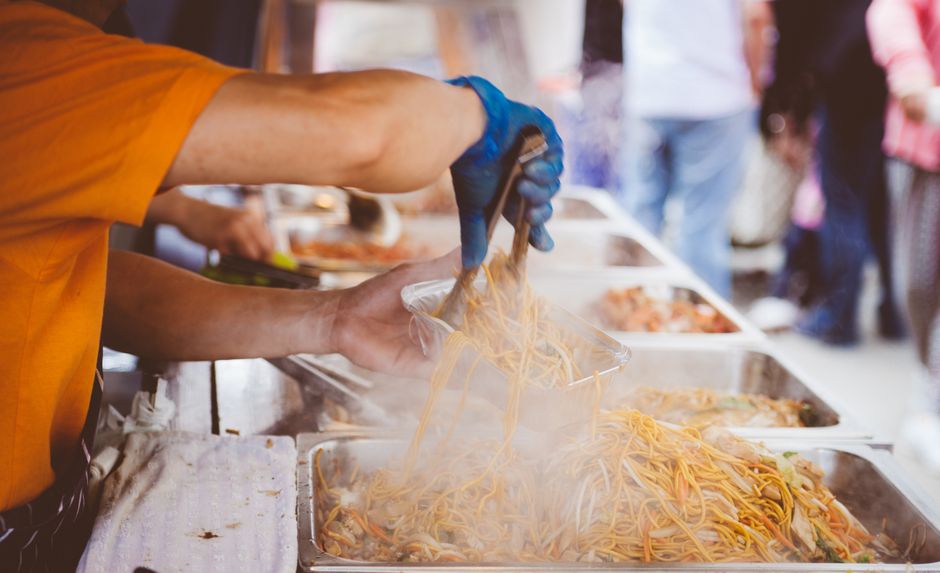
While street food is generally safe, travelers may have concerns about hygiene. To minimize risks, it is advisable to choose stalls that appear clean and well-maintained. Observing whether vendors use gloves or utensils, and whether they handle money separately from food, can be indicative of good practices.
Freshly cooked items are typically safer than those that have been sitting out for extended periods. Opting for dishes that are prepared to order ensures heat and freshness. Additionally, drinking bottled or purified water and avoiding ice from questionable sources can prevent stomach issues.
It is also helpful to gradually introduce street food into one’s diet, allowing the digestive system to adapt. Carrying hand sanitizer and using it before eating is a simple yet effective measure. If a stall looks particularly busy and has a high turnover, it is often a sign of both popularity and freshness, contributing to a safer dining experience.
Must-Try Dishes and Where to Find Them
The culinary landscape across Southeast Asia is incredibly varied, with each country offering unique flavors. In Thailand, dishes like green curry, mango sticky rice, and boat noodles are widely available. Vietnam is renowned for its banh mi sandwiches, spring rolls, and flavorful broths. Malaysia and Singapore offer a fusion of Malay, Chinese, and Indian influences, with hawker centers being ideal places to sample diverse fare.
Indonesia’s street food includes gado-gado, sate, and fried rice, while the Philippines boasts adobo, lechon, and halo-halo. Exploring local markets is the best way to encounter these dishes, as they are often hubs of culinary activity. Night markets, in particular, provide a sensory experience with sizzling grills, aromatic spices, and colorful displays.
For those unfamiliar with the local cuisine, starting with popular dishes that have gained international recognition can ease the transition. However, venturing beyond the familiar might lead to delightful discoveries. Engaging with vendors and asking for recommendations can open doors to lesser-known but equally delicious options.
Cultural Etiquette and Tips
Respecting local customs enhances the street food experience. In many Southeast Asian cultures, it is customary to eat with the right hand, especially in countries with Muslim-majority populations like Malaysia and Indonesia. Using utensils is also acceptable, though adopting local practices can be appreciated by vendors and locals.
Politeness and a smile go a long way. Learning a few basic phrases in the local language, such as “delicious” or “thank you,” can create a positive interaction. Tipping is not always expected, but leaving small change is often appreciated.
Additionally, being mindful of environmental impact is important. Carrying a reusable water bottle and refusing single-use plastics, when possible, contributes to sustainability. Many vendors are open to filling containers, reducing waste while enjoying street food.
Balancing Indulgence and Nutrition
While street food is often indulgent, it is possible to make choices that align with nutritional preferences. Many dishes incorporate fresh vegetables, herbs, and lean proteins, offering a balance of nutrients. Opting for grilled or steamed items instead of fried ones can reduce oil consumption while still savoring local flavors.
Portion control is another factor. Sharing dishes or choosing smaller portions can prevent overeating. Additionally, incorporating fruits and salads available at markets can add vitamins and fiber to one’s diet. Staying hydrated with water or natural fruit juices is also beneficial.
For those with dietary restrictions, communication is key. Learning phrases to indicate allergies or preferences is essential. Many vendors are accommodating and can adjust ingredients upon request, ensuring a safe and enjoyable culinary adventure.
The journey of exploring street food is as much about the experience as it is about the food itself. Taking the time to appreciate the ambiance, the aromas, and the interactions adds depth to the travel experience.
In conclusion, eating well on a budget in Southeast Asia is an attainable goal with the right approach. By understanding the street food landscape, managing costs, prioritizing hygiene, exploring diverse dishes, respecting cultural norms, and making mindful choices, travelers can enjoy a rich tapestry of flavors without breaking the bank. Each meal becomes an opportunity to connect with the local culture and create lasting memories.